

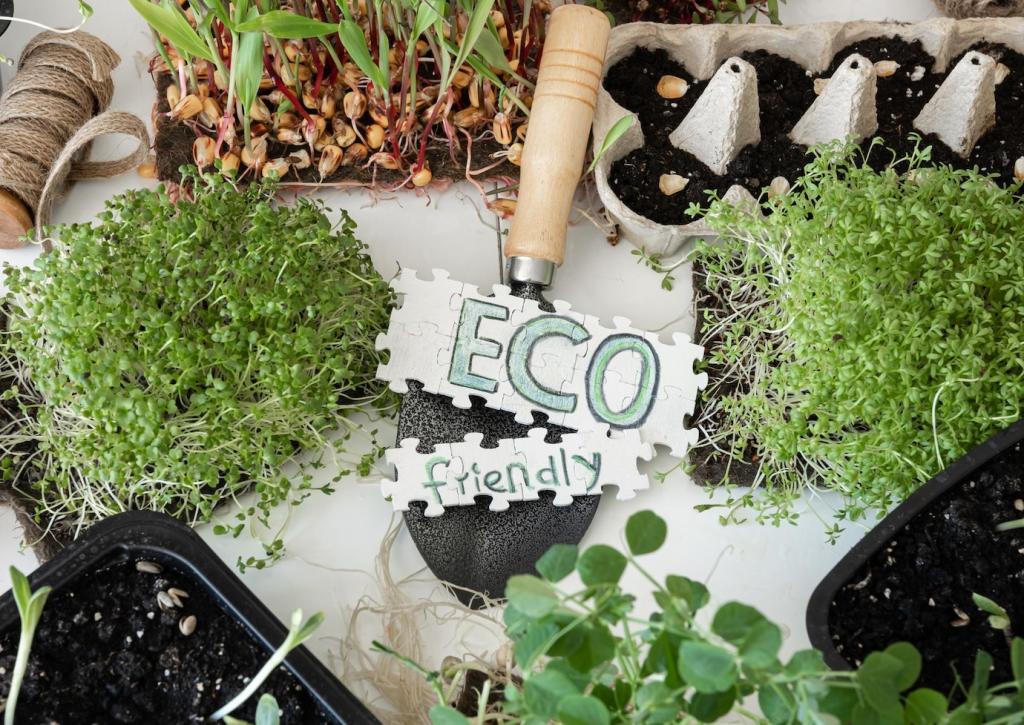

Theme selected: Eco-friendly Irrigation Solutions. Welcome to a friendly, practical hub for gardeners, farmers, and urban growers who want to nourish thriving plants while protecting every precious drop. Explore smarter designs, resilient practices, and real stories—and subscribe to stay inspired by fresh, Earth-positive ideas.

Understanding Sustainable Water Cycles

01
Healthy soil stores water like a gentle sponge, balancing air and moisture around roots. Improve structure with compost and cover crops to raise field capacity and infiltration. Tell us how mulch changed your watering routine this season.
02
Evapotranspiration combines evaporation and plant transpiration, guiding when and how much to water. Track weekly ET, match it to crop needs, and avoid habitual schedules. Comment with your favorite local ET source or weather station tip.
03
Rain rarely arrives exactly when plants need it. Build buffers through mulch, cisterns, and soil organic matter. Design flexible schedules that pause after storms and gently resume. Subscribe for seasonal planning checklists tailored to shifting rainfall patterns.

Choosing Efficient Irrigation Technologies

Drip targets roots with minimal evaporation, excellent for beds and rows. Micro-sprinklers suit orchards and groundcovers needing broader, gentle coverage. Measure distribution uniformity to guide upgrades. What uniformity tests surprised you most? Post your measurements and lessons learned.

Choosing Efficient Irrigation Technologies

Subsurface drip reduces surface evaporation and discourages weeds by delivering water right where roots explore. Start with filtration, pressure regulation, and regular flushing. Gotchas happen—share clogs, fixes, and photos so others avoid the same pitfalls and save water.

Designing a Low-Impact Irrigation Layout

Group plants by water demand and sun exposure so every zone gets just enough. Native perennials often thrive on leaner schedules than annual vegetables. What surprising low-water performers did you discover? Add them to our community-sourced plant list.

Designing a Low-Impact Irrigation Layout

Clean water is efficient water. Install a filter sized for your flow, plus flush valves at low points. Schedule quick, monthly checks to keep emitters clear. Share your maintenance routine and the simple habits that kept your lines reliable.

Harvesting and Reusing Water Responsibly

Size your cistern using roof area, typical rainfall, and garden demand. Add first-flush diverters, screens, and dark tanks to discourage algae. Track how long each storm sustains your beds, then report back so readers can compare regional performance.

Soil Health as Irrigation’s Best Friend

A three-to-five-centimeter mulch blanket slows evaporation, prevents crusting, and feeds soil life. Leaves, wood chips, or straw each behave differently. Try small test plots, note differences in moisture, and share outcomes to help others choose wisely.

Monitoring, Auditing, and Continuous Improvement

Place containers across a zone, run a timed cycle, and compare depths for uniformity. Adjust emitters and run times accordingly. Report your before-and-after efficiency so others can benchmark and improve their own eco-friendly irrigation systems.

Real Stories: Savings, Harvests, and Lessons

One reader swapped a leaky hose timer for a smart controller and two micro-lines along planter edges. Overnight, runoff disappeared, herbs perked up, and weekly water use dropped dramatically. Tell us your smallest change with the biggest payoff.

Real Stories: Savings, Harvests, and Lessons

A coastal vineyard adopted subsurface drip, added scheduled flushing, and carefully tracked electrical conductivity. Salt stress eased, clusters sized up, and water per ton of grapes fell. What did you learn managing salinity with limited, sustainable inputs this year?
Chasoda
Privacy Overview

This website uses cookies so that we can provide you with the best user experience possible. Cookie information is stored in your browser and performs functions such as recognising you when you return to our website and helping our team to understand which sections of the website you find most interesting and useful.