Chosen theme: Color Theory in Landscape Design. Welcome! Explore how palette, contrast, and seasonal nuance can transform your garden into a living artwork. Stay curious, ask questions, and subscribe for fresh color insights, planting ideas, and real-world stories that help your landscape sing.
Treat a color wheel like a compass beside your planting list. Analogous blues and purples create calm, while complementary orange-blue sparks attention. Comment with your favorite pairings, and tell us which combination feels most natural in your climate and light.
Value Contrast for Depth, Drama, and Readability
Light foliage against dark evergreens creates visual depth and crisp silhouettes, especially at dusk. Use pale variegation to guide the eye along shady paths. Share a photo of your highest-contrast corner, and note how it changes across the day.
Chroma: Saturation that Expands or Compresses Space
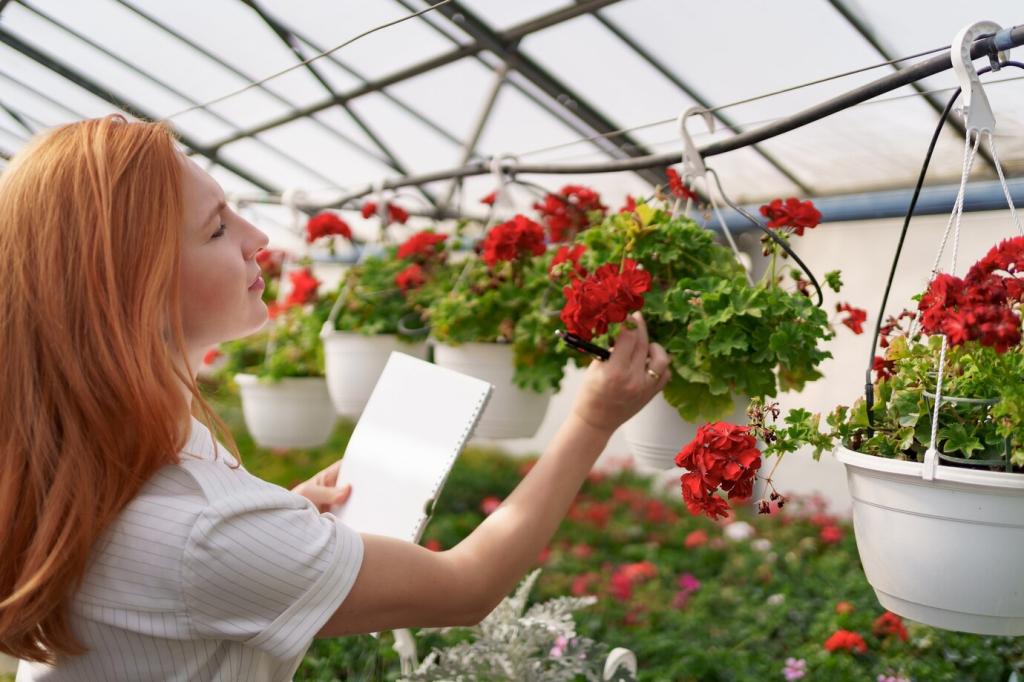
Highly saturated reds and magentas rush forward; smoky, desaturated greens recede, stretching perceived distance. Place bold color near focal points, muted tones along boundaries. Which chroma tricks worked for you? Subscribe for a printable checklist to test saturation in-situ.
Spring Pastels that Whisper the Season Awake
Think blush tulips, pale narcissus, and soft blue forget-me-nots pairing with fresh lime foliage. Pastels read brightest on cloudy mornings. Tell us your go-to pastel trio and how you stagger bloom times to keep the softness lasting several weeks.
Summer Saturation for Energy and Celebration
Summer welcomes bolder pigments: coneflowers, daylilies, salvia, and zinnias. Balance heat with cooling blues or silvery foliage. What is your crowd-pleasing, high-saturation border? Subscribe for a simple worksheet to map peak color across your warmest months.
Autumn Glow and Winter Structure that Never Fade
Reds, ambers, and russets glow beside blue-gray grasses. In winter, bark color, berries, and evergreen value contrasts carry the palette. Share your favorite shrub for winter color, and tell us how it supports birds when flowers are gone.
Light, Weather, and the Way Color Behaves
Cool blues shine early; midday flattens subtlety; golden hour warms everything, flattering reds and copper grasses. Walk your site at three times daily. Comment with observations, and we will help match palette choices to your brightest and dimmest microzones.
Light, Weather, and the Way Color Behaves
Cloudy days soften glare, revealing delicate tonal differences. Mauves, dusty pinks, and variegated leaves gain presence. Snap a photo on an overcast morning and another at noon sun; share both so we can compare how your palette breathes under changing skies.
Focal Points, Flow, and Wayfinding with Color
Create a welcoming chord: a container echoing the front door color, paired with complementary blooms nearby. A small contrast here aids orientation and memory. Tell us your entrance hue, and we will suggest two plants to harmonize immediately.
Focal Points, Flow, and Wayfinding with Color
Repeat two anchor colors in intervals along paths to form a beat visitors can feel. Even subtle whites spaced evenly provide calm continuity. Share a sketch of your path, and we will help place color notes with predictable cadence.
Succession Planting for Continuous Harmony
Overlap bloom periods and foliage interest so one color hands the baton to the next. Build a calendar with backups. Comment with your zone, and we will suggest a three-season relay featuring consistent palette logic.
Weathering, Fading, and Honest Patina
Painted elements fade; metals mellow; fabrics bleach. Embrace patina that supports your scheme, or renew strategically. Post a photo of a weathered feature, and subscribe for a decision checklist on refresh versus celebrate.
Adapting Palettes to a Warming Climate
Heat shifts bloom timing and saturation. Choose resilient species, drought-tolerant silvers, and reflective mulches to protect your color plan. Share your toughest microclimate, and we will help pivot your palette without losing your garden’s voice.