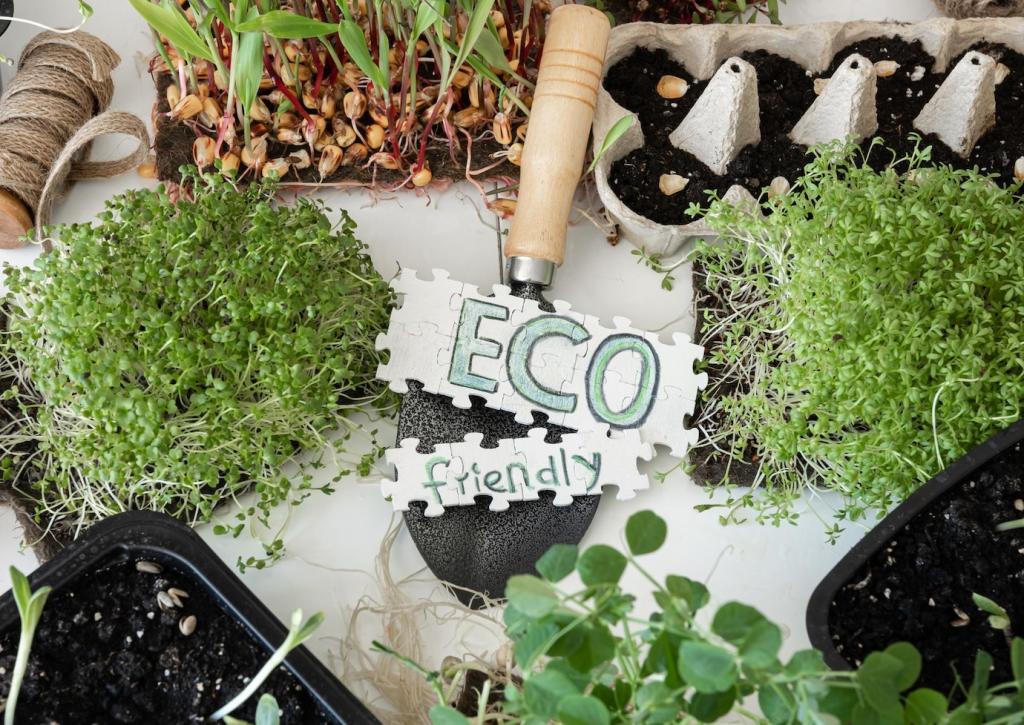
Chosen theme: Sustainable Landscaping Practices. Welcome to a greener, calmer way to shape outdoor spaces—where soil is alive, water is cherished, and beauty supports biodiversity. Explore practical ideas, real stories, and simple steps you can start today. Subscribe to keep learning with us.
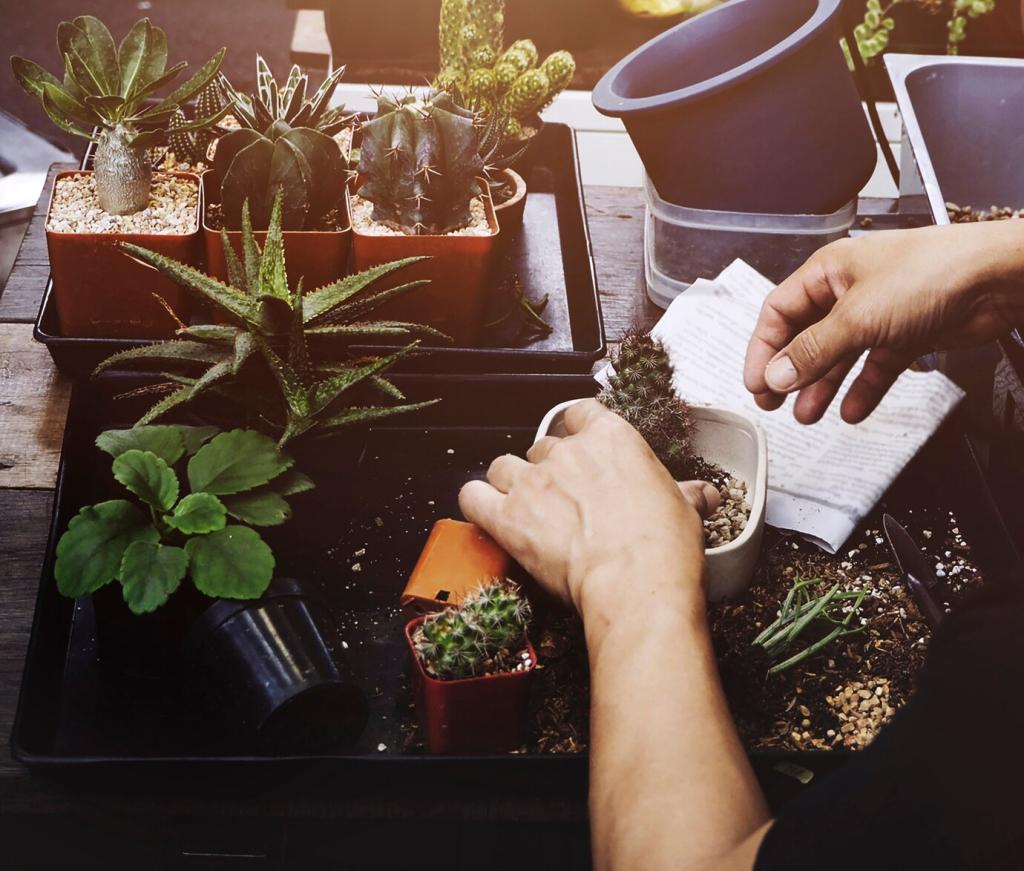
Feed the soil, not just the plants. Compost adds organic matter that improves structure, moisture retention, and microbial life, reducing fertilizer needs. Start a small bin, layer browns and greens, and let earthworms and microbes do the heavy lifting.
Soil Health: The Living Foundation
Bare soil erodes, overheats, and loses carbon. Use leaf mulch, wood chips, or living groundcovers to shield soil from sun and rain. Mulch slows evaporation, suppresses weeds, and gradually enriches soil while keeping maintenance low and tidy.
Drip irrigation delivers moisture at the root zone, cutting evaporation and runoff dramatically. Pair emitters with mulch for maximum efficiency. Water early in the morning, and adjust seasonally so plants never get more than they truly need.
Rain barrels, cisterns, and simple swales are practical for most yards. Capture roof runoff, slow it across the landscape, and store it for dry periods. Adding a first-flush diverter keeps debris out and extends the life of your system.
Weather-based controllers skip watering after rain and reduce cycles during cool weeks. Pair with soil moisture sensors for accuracy. Share your best scheduling tips below, and tell us which settings kept your garden thriving during last summer’s heat dome.
Plant Native, Boost Biodiversity
Match sun, soil, and moisture preferences to each plant’s natural niche. Native grasses for windy slopes, dry-tolerant sages for hot strips, and moisture-loving shrubs near downspouts. Good matchups reduce pruning, watering, and disappointment throughout the season.
Plant Native, Boost Biodiversity
Create bloom succession by mixing early, midsummer, and late-flowering natives. Add clustered plantings so bees and butterflies can forage efficiently. Avoid pesticides that harm beneficial insects, and leave a small bare patch for ground-nesting bees to thrive safely.
Design for Ease and Longevity
Group plants by water needs, place tools near tasks, and keep high-traffic paths direct and wide. This simple zoning reduces wasted steps and broken stems, while making maintenance routines intuitive and delightfully quick.
Old bricks, salvaged stone, and repurposed timbers bring character without new extraction. Source locally to cut transport emissions. Celebrate imperfections—they tell stories and weather beautifully, blending your landscape into its place and history.
Materials That Respect the Planet
Where concrete is necessary, use mixes with supplementary cementitious materials that reduce embodied carbon. Consider steel edging that lasts decades, or rot-resistant, sustainably certified wood for raised beds and benches that age gracefully outdoors.
Edible and Beautiful Can Be the Same
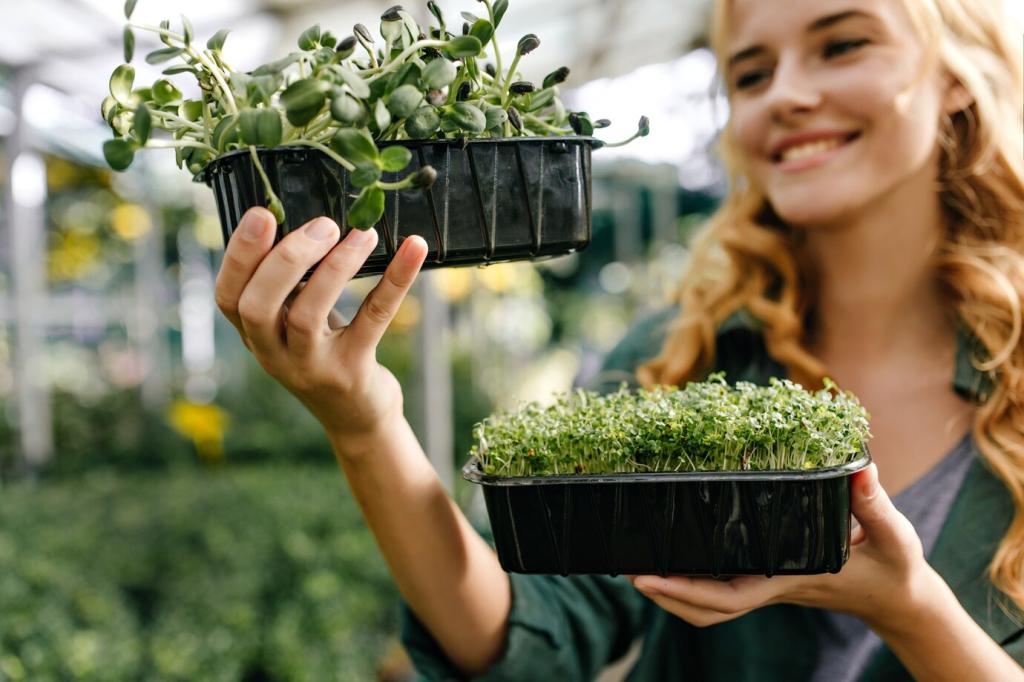
Anchor beds with dwarf fruit trees, then layer herbs, perennial vegetables, and flowering companions. Add compost, mulch deeply, and interplant lettuce under taller crops to shade soil. Beauty, biodiversity, and dinner can truly share the same space.
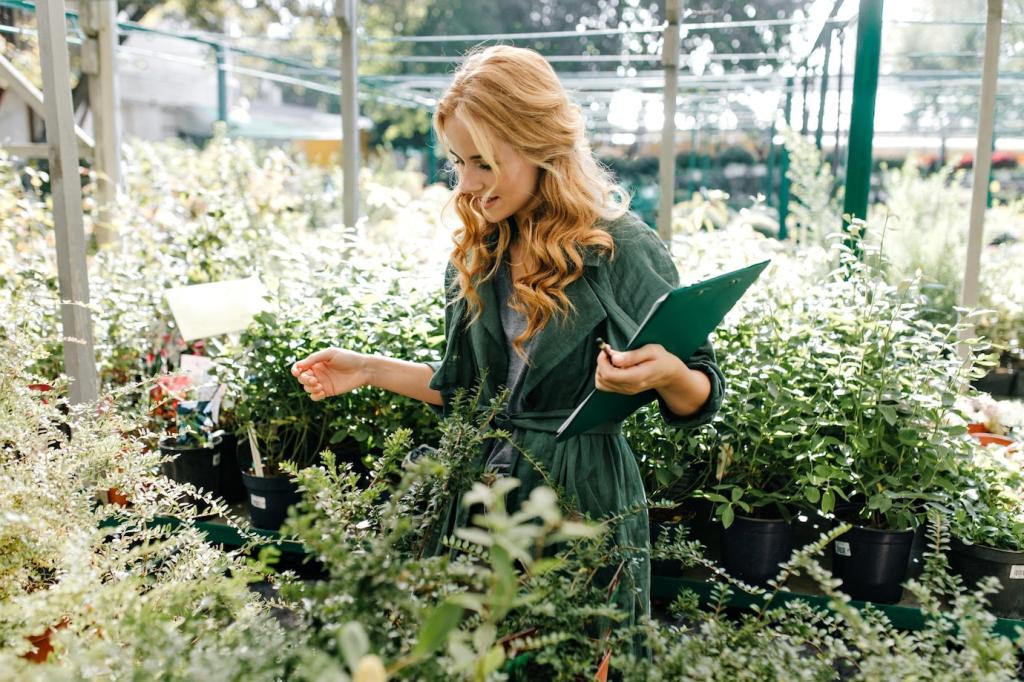
Keep a simple garden log: rainfall, pests spotted, bloom times, and irrigation tweaks. Patterns will emerge, guiding smarter interventions. Small adjustments, made often, prevent big problems and keep your landscape resilient through surprises.
Tool libraries, seed swaps, and weekend work parties save money and time while building friendships. Post a meetup idea below, or ask for a buddy to help sheet mulch that stubborn, weedy strip near your driveway.
Subscribe for monthly sustainable challenges—mulch a bed, swap a plant, capture twenty gallons of rain. Report back with photos and lessons. Your experience may be the nudge another reader needs to begin.